
Article
DSCR Loans: What Real Estate Investors Need to Know Before Applying in 2026
Borrow against the income of the asset instead of your personal tax returns. How Sphinx Capital structures DSCR financing and what to prepare.
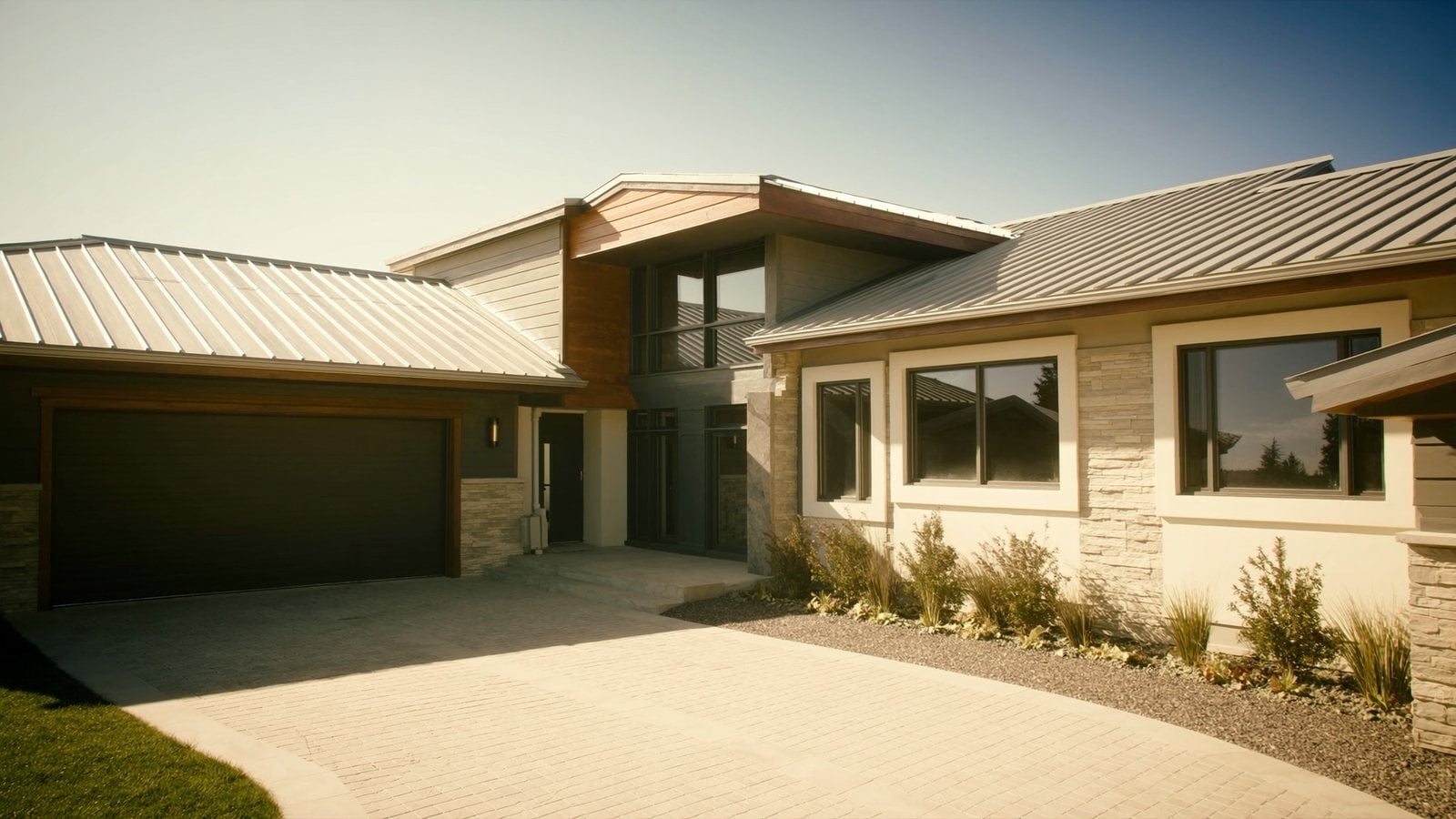
DSCR loans let rental-property investors borrow against the income of the asset instead of their personal tax returns. Here is exactly how Sphinx Capital structures DSCR financing and what to prepare.
A borrower wanted to refinance a stabilized 4-unit rental into a 30-year fixed loan. Their personal tax returns showed almost no taxable income, so a bank turned them down. The property, however, generated $6,500 per month in rent against a $4,800 monthly payment. The debt-service coverage ratio was 1.35. They applied and closed 16 days later.
That is the point of a DSCR loan. The lender underwrites the property, not the person.
What a DSCR loan actually is
DSCR stands for debt-service coverage ratio. It measures whether the property’s income covers the loan payment: monthly property income divided by monthly debt payment.
A ratio of 1.25 means the property produces $1.25 for every $1.00 of debt payment. A ratio below 1.00 means the property does not cover the payment on its own.
For rental investors, this matters because traditional banks care about your W-2, your tax returns, and your debt-to-income ratio. A DSCR lender cares about the property’s rent roll and expenses. If the asset cash-flows, the deal can fund.
What you get: terms for long-term holds
| Term | What you get |
|---|---|
| Max LTV | 75% of stabilized value |
| Min DSCR | 1.00; best terms at 1.25 and above |
| Rates | Start at 8.75% for strong DSCR |
| Points | 1 to 3 |
| Term | 30-year fixed, 30-year ARM, or 40-year fixed |
| Prepayment penalty | 3 to 5 years; terms vary by program |
| Close time | 14 to 21 days from full file |
| Recourse | Non-recourse options available |
The DSCR threshold is the gate. A 1.35 DSCR gets better pricing than a 1.00 DSCR because the property has more cushion. A ratio below 1.00 usually requires additional qualifying income or a larger down payment.
Our 6-step process
| Step | Timeline | What happens |
|---|---|---|
| 1. Submit intake | Immediate | 10-minute online form |
| 2. Property review | Within 24 hours | Rent roll, value, and DSCR pre-check |
| 3. Complete application | After you decide | Doc checklist and final structure |
| 4. Appraisal & title | 7 to 10 days | Third-party items coordinated |
| 5. Final underwriting | 2 to 3 days | All conditions cleared |
| 6. Close | Day 14 to 21 | Long-term loan funds, bridge exits to DSCR |
Step 2 is critical. We verify the DSCR before you spend money on an appraisal. If the property does not qualify, you know within 24 hours.
What to submit for the fastest decision
DSCR underwriting is simpler than bank underwriting, but it is not empty. The lender still needs proof that the property performs.
| Document | Why it matters |
|---|---|
| Rent roll / lease schedule | Shows actual or market rents |
| Operating statement | Documents expenses, NOI, and cash flow |
| Property insurance quote | Required before closing |
| Appraisal (ordered later) | Confirms stabilized value and rent comparables |
| Entity docs (LLC, EIN) | Confirms borrowing structure |
| Purchase contract or payoff (refi) | Defines loan purpose and amount |
| Bank statements | Shows liquidity and reserves |
| Exit memo (if bridge refi) | Explains prior financing and stabilization timeline |
Submitting everything at once keeps the file moving. Waiting on one document usually adds a week.
The hidden costs that kill DSCR deals
| Hidden cost | What it looks like | How to avoid it |
|---|---|---|
| Appraisal before pre-qualification | You pay $600 to $800 before knowing the DSCR | Get a 24-hour property review first |
| Low DSCR surprise | Property income is lower than expected after expenses | Use actual rent roll, not pro forma |
| Prepayment penalty mismatch | You plan to sell in 3 years but the loan has a 5-year penalty | Match the hold period to the prepayment term |
| Rate vs. DSCR confusion | A 1.00 DSCR does not get the advertised rate floor | Ask for pricing at your exact DSCR |
| Reserve shortfall | Lender requires 6 months reserves and you only have 2 | Confirm reserve requirements upfront |
The biggest mistake is assuming your property qualifies because it rents for more than the mortgage. Expenses, vacancies, and management fees reduce the effective income. Underwrite conservatively.
Quick answers to real questions
Do I need tax returns or W-2s?
No. DSCR loans do not require personal income documentation. The property qualifies the deal.
What DSCR do I need?
The minimum is 1.00. Pricing improves at 1.25 and above. Below 1.00, you may still qualify with additional down payment or a co-borrower.
Can I use a DSCR loan on a short-term rental?
Yes, but underwriting depends on actual rental history or market short-term rental comparables. Pro forma estimates alone are usually not enough. See our short-term rental guide.
Can I refinance a bridge loan into a DSCR loan?
Yes. This is one of the most common exits. You typically need the property leased and stabilized. Read our guide on bridge loans for the short-term side of the same lifecycle.
What property types qualify?
Single-family rentals, 2- to 4-unit properties, multifamily, and some mixed-use assets. Commercial properties with short leases may need a different program.
How fast can you close?
14 to 21 days from a full file. The appraisal is usually the longest lead-time item.
Is there a prepayment penalty?
Most DSCR loans have a 3- to 5-year prepayment penalty. We quote the exact structure upfront so you can match it to your hold period.
When to apply and when to wait
Apply now if:
- The property is leased and producing rent.
- You have a current rent roll and operating statement.
- You know your target loan amount and hold period.
- You are refinancing out of a bridge or hard-money loan.
Wait if:
- The property is still under construction or renovation.
- You do not have a lease in place or documented short-term rental history.
- You cannot show 6 months of reserves.
- You need to close in under 14 days. Use a bridge loan instead.
The 2026 market reality
Banks remain cautious on investment-property lending, especially for self-employed borrowers or assets in secondary markets. DSCR loans have filled the gap. In 2026, the borrowers who are winning are not the ones chasing the lowest rate. They are the ones who know their property’s true net operating income, keep 6 to 12 months of reserves, and choose a loan structure that matches their hold period.
If you have a stabilized rental and a clear loan purpose, submit your file and we will review the DSCR within 24 hours.
Ready to apply for a loan?
Start your application when you're ready, or talk with us first if you want help choosing the right loan.